Cultural Sites
Cultural Sites All
Yurihonjō Area
Nikaho Area
Yuza Area
Sakata Area
Tobishima Area


- Jūroku-rakan-iwa (16 Arhat Rocks)
- In these 100-thousand-year-old volcanic rocks, you can see carvings of arhats, Buddhist achievers of...
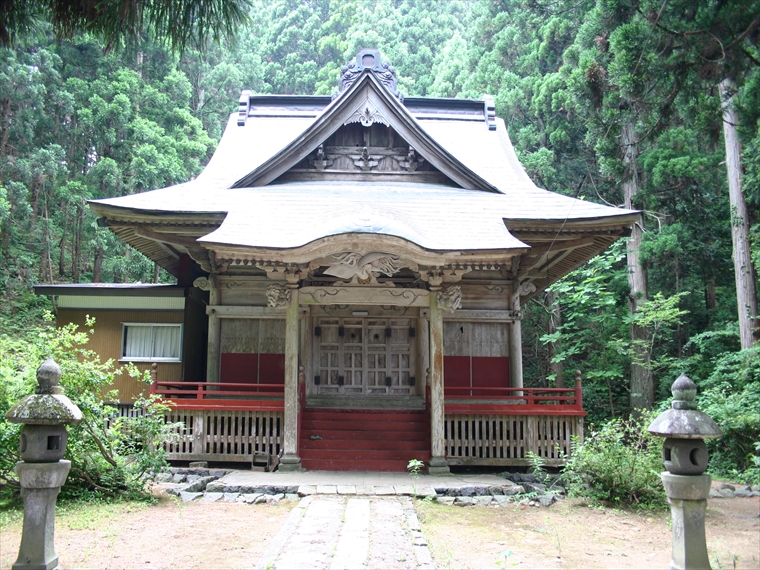
- Moriko Ōmonoimi Shrine
- This shrine has a sacred atmosphere and is surrounded by Japanese cedar trees (Cryptomeria japonica)...
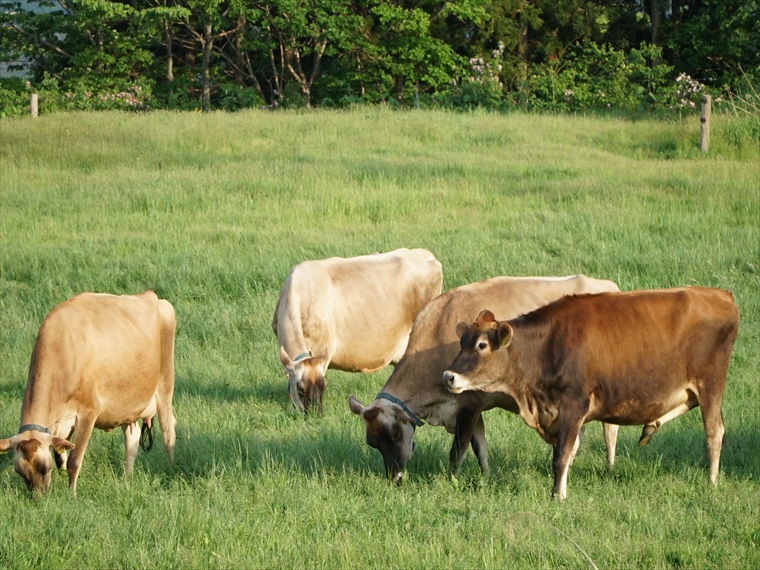
- Yurihara Plateau
- Over a long period of time, a large portion of land that accumulated from a debris avalanche on Mt. ...
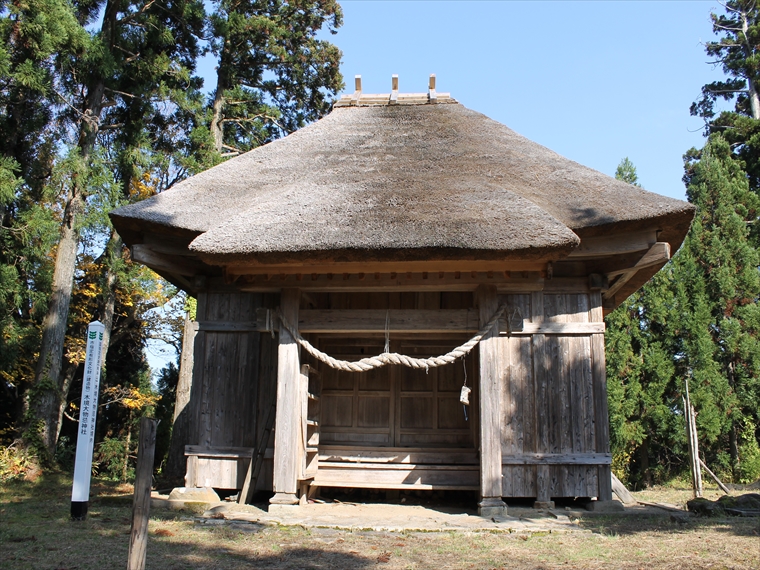
- Kizakai Ōmonoimi Shrine
- Kizakai Ōmonoimi Shrine was once a hub for practitioners of the ascetic religion Shugendō in the Yas...

- Innai Oil Field Site
- Innai Oil Field was once one of the largest oil-producing fields in Japan. An oil mining company beg...

- Nikaho Plateau
- Located at an elevation of about 500 m, this plateau was created by land that accumulated from a deb...
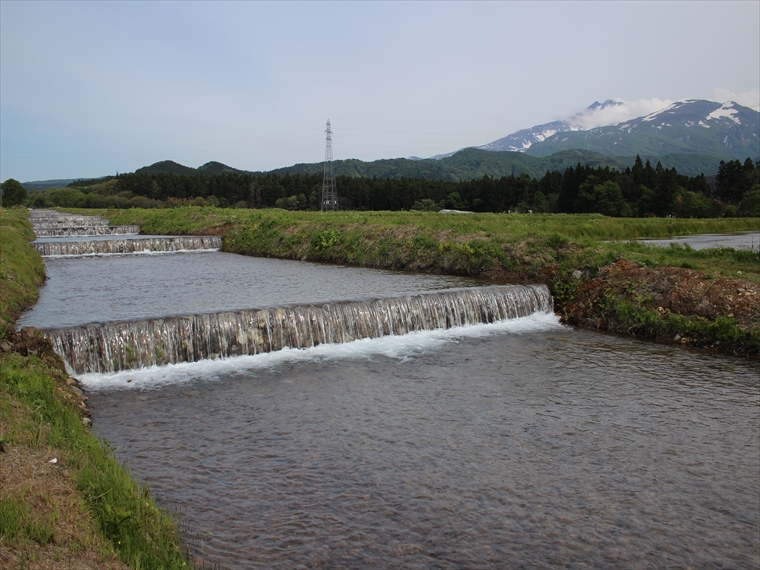
- Kamigō Warming Canals
- These canals were designed by the residents of the Kamigō area to warm the cold water from Mt. Choka...

- Yuri Coast Seawall
- These stone walls are estimated to have been built in the 18th century (Edo period). Their purpose w...

- Karato-ishi Rock
- Karato-ishi rock was part of the sector collapse of Mt. Chokai approximately 2500 years ago, when a ...

- Fukuden Spring
- Fukuden Spring flows from beneath a 50-m-tall cliff. This cliff was formed by lava that flowed from ...

- Kamiko-no-mizu Water Basins
- Kamiko-no-mizu is a set of spring water basins in Yuza Town's Mega area. The spring's origin is loca...

- Mt. Chokai Ōmonoimi Shrine (Fukura-kuchi-no-miya)
- Mt. Chokai Ōmonoimi Shrine is the Ichinomiya (highest-ranking shrine) of the former Dewa Province. A...

- Mt. Chokai Ōmonoimi Shrine (Warabioka-kuchi-no-miya)
- Mt. Chokai Ōmonoimi Shrine is the Ichinomiya (highest-ranking shrine) of the former Dewa Province. A...

- Shōnai Sand Dunes
- These sand dunes stretch about 35 km north–south. They were formed by sand that was carried by river...
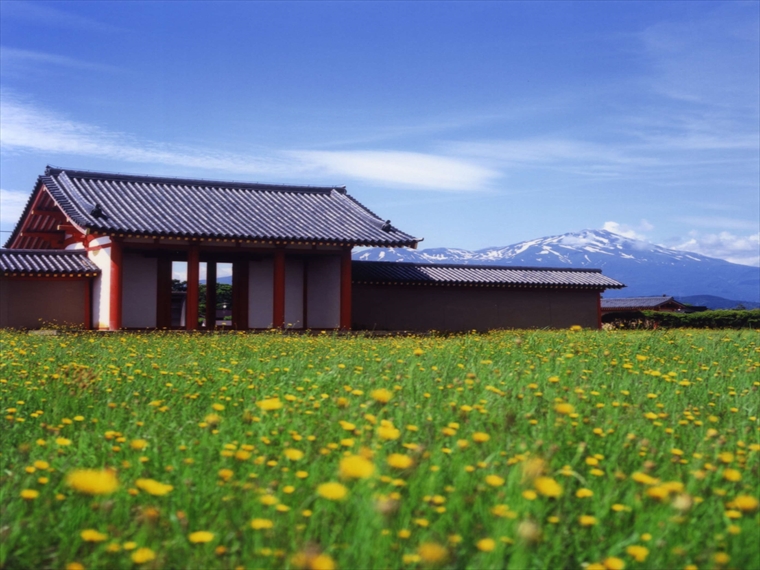
- Kinowanosaku Site
- National Historic Site. Spanning about 720 m on each side, these nearly square historical ruins were...

- Katsuura Port and Kitamaebune Culture
- One of the reasons Sakata Port, located at the mouth of a river, prospered as an origin point for we...


- Naso-no-shirataki Waterfall and Kinpō Shrine
- Naso-no-shirataki Waterfall is a beautiful waterfall that stands 26 m tall and 11 m wide. The rock ...
- Moriko Ōmonoimi Shrine
- This shrine has a sacred atmosphere and is surrounded by Japanese cedar trees (Cryptomeria japonica)...
- Yurihara Plateau
- Over a long period of time, a large portion of land that accumulated from a debris avalanche on Mt. ...
- Kizakai Ōmonoimi Shrine
- Kizakai Ōmonoimi Shrine was once a hub for practitioners of the ascetic religion Shugendō in the Yas...
- Innai Oil Field Site
- Innai Oil Field was once one of the largest oil-producing fields in Japan. An oil mining company beg...
- Nikaho Plateau
- Located at an elevation of about 500 m, this plateau was created by land that accumulated from a deb...
- Kamigō Warming Canals
- These canals were designed by the residents of the Kamigō area to warm the cold water from Mt. Choka...
- Yuri Coast Seawall
- These stone walls are estimated to have been built in the 18th century (Edo period). Their purpose w...
- Karato-ishi Rock
- Karato-ishi rock was part of the sector collapse of Mt. Chokai approximately 2500 years ago, when a ...
- Fukuden Spring
- Fukuden Spring flows from beneath a 50-m-tall cliff. This cliff was formed by lava that flowed from ...
- Naso-no-shirataki Waterfall and Kinpō Shrine
- Naso-no-shirataki Waterfall is a beautiful waterfall that stands 26 m tall and 11 m wide. The rock ...
- Jūroku-rakan-iwa (16 Arhat Rocks)
- In these 100-thousand-year-old volcanic rocks, you can see carvings of arhats, Buddhist achievers of...
- Kamiko-no-mizu Water Basins
- Kamiko-no-mizu is a set of spring water basins in Yuza Town's Mega area. The spring's origin is loca...
- Mt. Chokai Ōmonoimi Shrine (Fukura-kuchi-no-miya)
- Mt. Chokai Ōmonoimi Shrine is the Ichinomiya (highest-ranking shrine) of the former Dewa Province. A...
- Mt. Chokai Ōmonoimi Shrine (Warabioka-kuchi-no-miya)
- Mt. Chokai Ōmonoimi Shrine is the Ichinomiya (highest-ranking shrine) of the former Dewa Province. A...
- Shōnai Sand Dunes
- These sand dunes stretch about 35 km north–south. They were formed by sand that was carried by river...